How to Use Conveyor Brush for Efficient Material Handling?
In the realm of material handling, the conveyor brush stands as a pivotal tool. John Smith, an expert in conveyor systems, once stated, “A proper conveyor brush can enhance efficiency and reduce downtime significantly.” This insight underscores the importance of maintaining equipment for optimal performance.
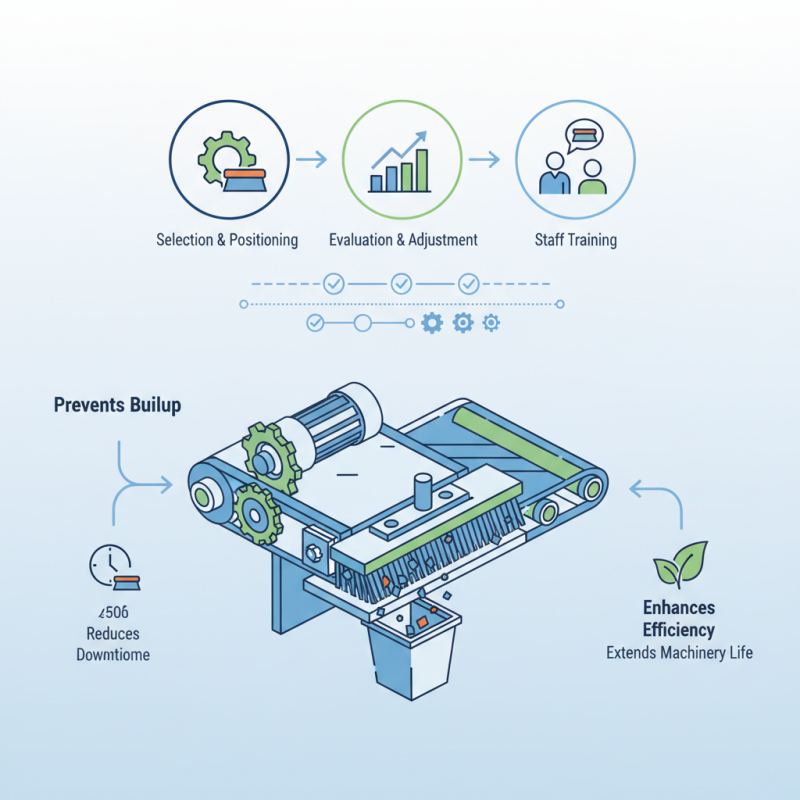
Conveyor brushes are designed to clean and maintain various surfaces in material handling systems. They help prevent the buildup of debris, which can lead to equipment failure. By keeping the conveyor system clean, businesses can improve efficiency and extend the life of their machinery.
However, using a conveyor brush effectively requires knowledge and skill. Many companies overlook the brush's proper positioning and selection. This can lead to subpar cleaning results and wasted resources. Constant evaluation and adjustments are necessary to ensure that the brush performs as intended. Regular training for staff can enhance their understanding of best practices, thus maximizing the potential of the conveyor brush.
Benefits of Using Conveyor Brushes in Material Handling
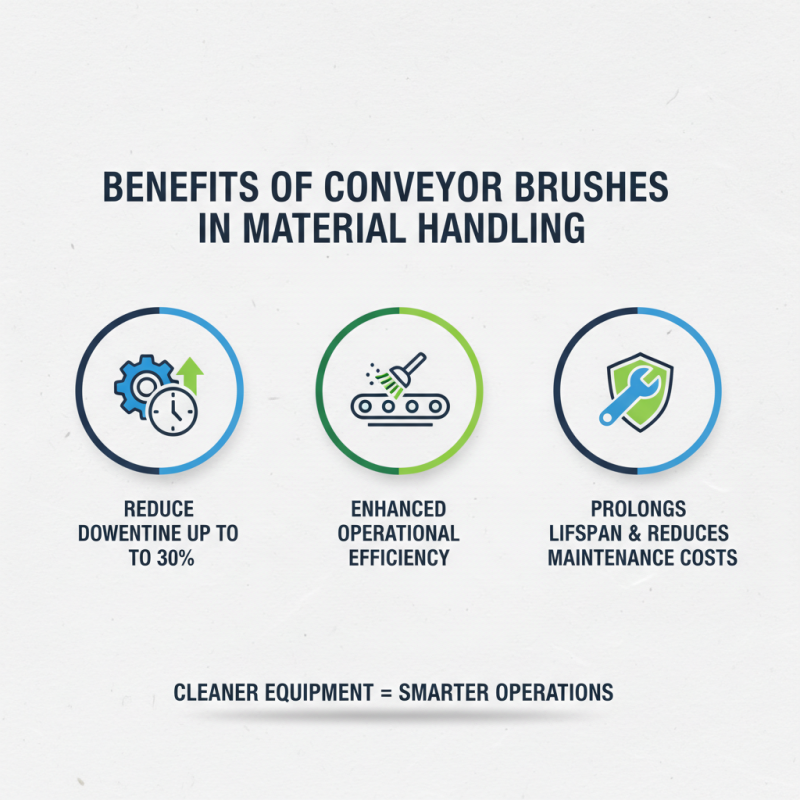
Conveyor brushes play a crucial role in efficient material handling. Industry research indicates that implementing conveyor brushes can reduce downtime by up to 30%. This tool effectively removes debris, dust, and contaminants from conveyor belts, which enhances operational efficiency. Keeping equipment clean prolongs its lifespan and minimizes maintenance costs over time.
The benefits of using conveyor brushes extend beyond cleaner equipment. A study found that production rates can increase by 20% when conveyors operate at optimal efficiency. An efficient conveyor system reduces the likelihood of jams and breakdowns. These brushes support various materials, ensuring seamless movement without interruptions. However, operators must regularly assess their effectiveness. Failure to do so can lead to buildup and inefficiencies.
Moreover, conveyor brushes contribute to worker safety. Clean belts can reduce slip hazards and improve workplace conditions. According to safety reports, nearly 25% of workplace accidents are related to material handling. Implementing brushes minimizes these risks while fostering a smoother workflow. Continuous evaluation of brush condition is essential for maintaining their benefit.
Types of Conveyor Brushes and Their Applications
Conveyor brushes come in various types, each designed for specific applications. One common type is the strip brush. Strip brushes are versatile and used in places where dust and debris need to be cleared. They can assist in maintaining product quality during manufacturing processes. The bristles conform to surfaces, ensuring even cleaning in tight spaces.
Another type is the circular brush. These brushes are effective for cleaning conveyor belts in food processing facilities. The bristles rotate, providing a thorough clean, especially for sticky residues. However, they may require regular replacement due to wear from constant use. Users should monitor their condition for optimal efficiency.
In applications like packaging, crimped brushes are popular. They provide gentle yet effective surface cleaning. Still, they may not reach all areas, necessitating additional tools for a complete clean. Understanding these nuances helps businesses select the best options for their needs. Each brush type presents advantages and challenges, making careful consideration vital.
Installation Guidelines for Conveyor Brushes
When installing conveyor brushes, attention to detail is crucial. Selecting the right brush type is the first step. The material of the brush should match the application. For example, nylon brushes are ideal for delicate items, while stiffer brushes handle heavy debris effectively. According to industry reports, using the correct brush type can improve operational efficiency by up to 20%.
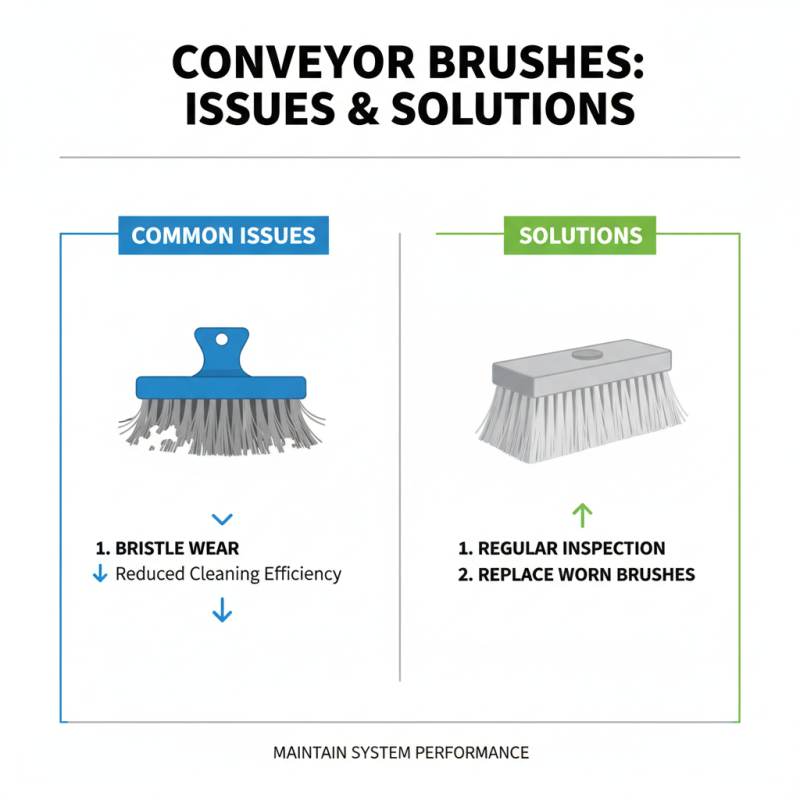
Placement is another significant factor. Position the brush close to the material surface. This increases contact and enhances cleaning efficiency. Misalignment can lead to inadequate cleaning and potential equipment wear. Regularly checking brush wear and replacing as needed ensures optimal performance. Studies show that worn brushes can reduce conveyor lifespan by nearly 15%.
**Tips:** Adjust the tension on the brush holder for better efficacy. Periodic maintenance checks can prevent unexpected breakdowns. Always follow manufacturer guidelines for installation, but adapt to your system's specifics. Each installation is unique, and sometimes the manual doesn't apply perfectly. Be ready to make modifications based on real-world performance.
Efficiency of Conveyor Brushes in Material Handling
Maintenance Tips for Optimal Conveyor Brush Performance
Maintaining conveyor brushes is essential for optimal material handling. Regular maintenance can reduce downtime and improve efficiency. According to industry reports, equipment failures in conveyor systems can lead to a productivity loss of up to 20%. Proper care can mitigate these risks.
Inspecting conveyor brushes weekly is recommended. Look for wear and tear, as frayed bristles can hinder performance. A clean brush operates more effectively, ensuring the material stays in motion. Some studies show that a poorly maintained brush can cause a 15% increase in energy consumption.
In addition, lubrication is crucial. Use appropriate lubricants to keep moving parts functioning smoothly. Neglecting lubrication can lead to increased friction and wear. It’s common for operators to overlook these small details. However, consistent attention can prolong the life of the conveyor system significantly. Remember, frequent training and awareness among staff can help maintain these standards.


 +86-19862000127
 Phone
Phone Email
Email