Top 5 Tips for Choosing the Right 5mm GT2 Pulley
Choosing the right 5mm GT2 pulley can be a challenging task for engineers and hobbyists alike. According to a recent industry report by the Precision Drive Systems Association, incorrect pulley selection can lead to significant efficiency losses, with potential reductions of up to 30% in operational performance. This illustrates the importance of making informed decisions when selecting components.
Expert engineer Dr. Alex Chen states, "A precise pulley choice not only impacts the drive's efficiency but also extends the lifespan of the system." His insights emphasize the need for understanding the specific requirements of your project. Factors such as material, tooth profile, and compatibility with belts must be considered carefully.
However, it is worth noting that many users overlook these details, leading to suboptimal choices. A 5mm GT2 pulley is not just a standard part; it can significantly affect your system's functionality. The following tips will guide you in making a well-informed decision to ensure optimal performance in your applications.
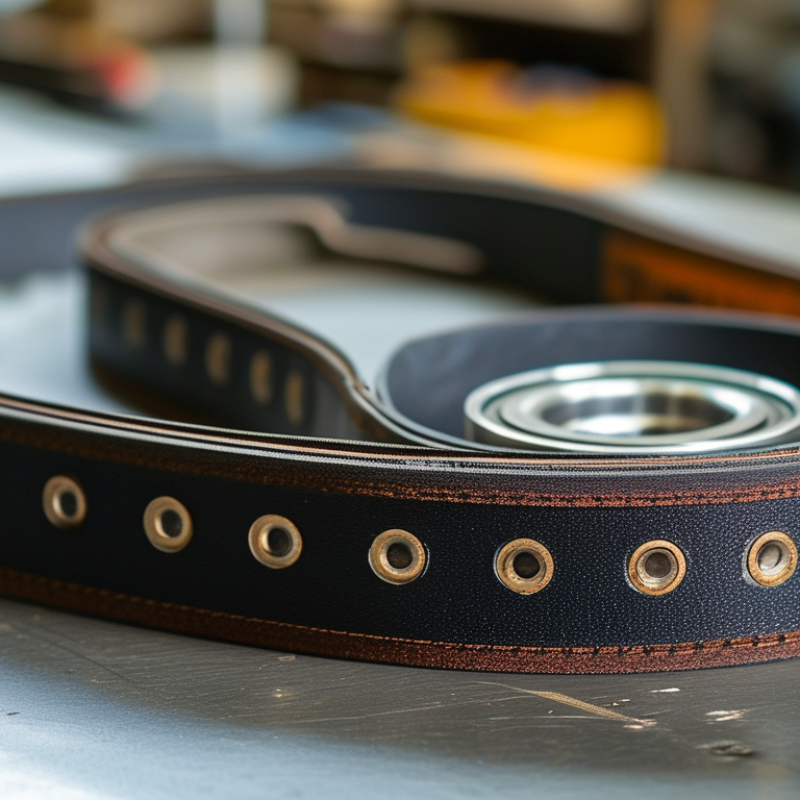
Understanding the Purpose of a 5mm GT2 Pulley in 3D Printing
A 5mm GT2 pulley plays a crucial role in 3D printing. It connects the motor to the timing belt, enabling precise movement. This connection is vital for achieving accurate print dimensions. A well-chosen pulley ensures smooth operation, which directly impacts print quality.
Selecting the right pulley requires an understanding of your printer's setup. Not all pulleys are made the same. Material quality impacts durability. Metal or high-strength plastic options exist, each with strengths and weaknesses. A less durable pulley may wear out quickly, causing misalignment in prints.
Experience teaches that not all setups need the same pulley type. Beginners might overlook compatibility. If the pulley doesn’t fit the belt or motor, it leads to frustration. Research and consult resources to make informed decisions. Taking the time to choose wisely pays off.
Top 5 Tips for Choosing the Right 5mm GT2 Pulley
| Tip |
Description |
Purpose |
| 1. Check Compatibility |
Ensure the pulley is compatible with your GT2 belt. |
To ensure optimal performance and fit. |
| 2. Material Selection |
Choose materials like aluminum or plastic based on usage. |
To enhance durability and weight efficiency. |
| 3. Teeth Count |
Opt for the correct teeth count for specific applications. |
To achieve accurate movement and speed. |
| 4. Shaft Size |
Make sure the pulley has the correct shaft diameter. |
To ensure proper fitting on the motor shaft. |
| 5. Quality Assurance |
Look for quality certifications and reviews before purchasing. |
To avoid failures and enhance safety. |
Key Features to Look for in a 5mm GT2 Pulley
When selecting a 5mm GT2 pulley, consider key features for performance and durability. The material is crucial; aluminum is strong and lightweight, while plastic offers affordability. Choose based on your application needs. Look for pulleys that are precisely machined. A well-made pulley enhances accuracy and reduces wear over time.
Pay attention to the teeth design. GT2 pulleys feature a 2mm tooth pitch, which offers better engagement compared to larger pitches. This increases efficiency, especially in belt-driven systems. Additionally, ensure the pulley has the right bore size to fit your motor shaft. A snug fit reduces vibrations and improves torque transfer.
Consider additional features such as flange height and bearing type. A higher flange can help prevent the belt from slipping off. Choose pulleys with high-quality bearings to minimize friction and extend their lifespan. Reflect on your specific requirements and potential drawbacks. Sometimes, opting for a slightly heavier pulley may provide better stability. Think critically about what will work best for your project.
Material Considerations: Choosing the Best for Durability
When selecting a 5mm GT2 pulley, material choice plays a crucial role in durability. Common materials include
aluminum, plastic, and steel. Each has unique properties impacting its performance and lifespan.
For instance, aluminum offers a good strength-to-weight ratio, while plastic pulleys are lighter and quieter during operation.
However, their susceptibility to wear makes them less durable under heavy loads.
According to a report by the Journal of Mechanical Engineering, the failure rate of plastic pulleys increases significantly under high-stress
conditions, often leading to operational inefficiencies. Steel pulleys, while heavier, provide unmatched strength and longevity.
Yet, they can be prone to rust if not coated properly. The choice of material should align with the specific application and expected load conditions.
Cost factors also come into play. A less expensive plastic pulley may seem appealing, but its frequent replacement can lead to
higher long-term costs. Evaluating these aspects requires careful consideration. Failure to select the right material might result in
unexpected downtimes or performance issues, prompting a reassessment of initial choices. Make informed decisions to enhance equipment reliability.
Compatibility with Your 3D Printer: Ensuring Proper Fit
When selecting a 5mm GT2 pulley, compatibility with your 3D printer is key. Before making a purchase, check your printer's specifications. The diameter and tooth count of the pulley must match your setup. A mismatch can lead to poor performance or even damage.
Consider the mounting system of your pulley. Ensure it fits your printer's motor shaft properly. Look for pulleys that offer secure attachment options. A loose fit can cause slipping and affect print quality.
It's also wise to evaluate the material of the pulley. Some materials wear out faster than others. Choose a durable option that can handle the stress from your 3D printer. This may require some research, as not all pulleys are created equal.
Remember that the right fit doesn't only consider size but also performance. A pulley that fits perfectly may still not suit your specific needs. So, reflect on your printing habits and requirements before making a final decision.
Top 5 Tips for Choosing the Right 5mm GT2 Pulley
This chart illustrates the compatibility ratings of different 5mm GT2 pulleys with a range of popular 3D printers based on user reviews. The scores are based on a scale from 1 to 10, where 10 indicates perfect compatibility.
Price vs. Quality: Finding the Right Balance in Pulley Selection
When selecting a 5mm GT2 pulley, striking a balance between price and quality is crucial. Many buyers are drawn to lower-priced options, seeking immediate savings. However, cheaper materials can lead to premature wear and performance issues. A pulley that fails will inevitably impact your entire project. Investing in durable materials may seem costly upfront but can save you money in the long run.
Quality pulleys typically offer better precision. This translates to improved functionality and efficiency in your mechanisms. In contrast, low-quality pulleys might not provide the same accuracy. This could lead to slippage and inconsistencies. It's vital to consider the manufacturing process and materials used, as these factors can greatly influence the pulley’s lifespan.
Don't discount the importance of reviews and expert opinions. Research can help you identify reputable sources and recommendations. Nevertheless, not all customer feedback is reliable. Mixed opinions might signal a need for deeper investigation. Sometimes, the best choice is not the cheapest but the one that aligns with your specific needs. Understanding your application helps in making an informed decision.



 +86-19862000127
 Phone
Phone Email
Email