What is T5 Belt Pulley and How to Choose the Right One?
The T5 Belt Pulley is a crucial component in mechanical systems, ensuring efficient power transmission in various applications. Its design and dimensions play a significant role in operational efficiency. According to the Power Transmission Distributors Association, proper pulley selection can enhance system performance by up to 20%. This highlights the importance of understanding the T5 Belt Pulley and its applications.
Many industries use T5 Belt Pulleys, from automotive to manufacturing. Misalignment or incorrect sizing can lead to increased wear and noise, impacting overall productivity. It's essential to consider factors like material, load capacity, and rotational speed when selecting a T5 Belt Pulley. A well-chosen pulley not only extends equipment life but also optimizes energy consumption.
As technology advances, the market for pulleys and related components grows. Every industry must stay informed about these developments. Often, users overlook the significance of a high-quality T5 Belt Pulley, risking performance issues. Therefore, understanding the intricacies behind selecting the right pulley is vital for effective machinery operation.
What is a T5 Belt Pulley and Its Function in Mechanical Systems?
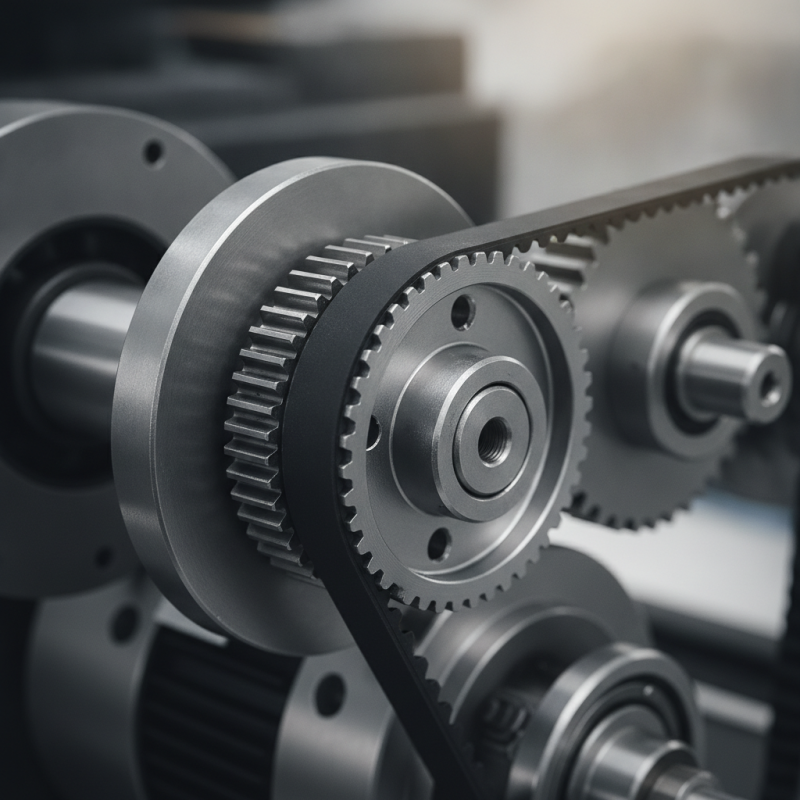
A T5 belt pulley is a crucial component in various mechanical systems. It is designed to create a connection between the motor and the load. This type of pulley helps transmit power efficiently, ensuring that the system runs smoothly. The T5 designation indicates its specific dimensions—typically a 5mm pitch. Its size makes it suitable for moderate power applications, often found in machines and equipment.
Choosing the right T5 belt pulley is essential for optimal performance. Consider the load requirements, the type of material used, and the operational environment. A pulley made from durable materials, like aluminum or reinforced plastic, can enhance longevity. It's also important to think about the alignment of the pulley within the system. Misalignment can lead to uneven wear and reduced efficiency, making thorough assessment crucial.
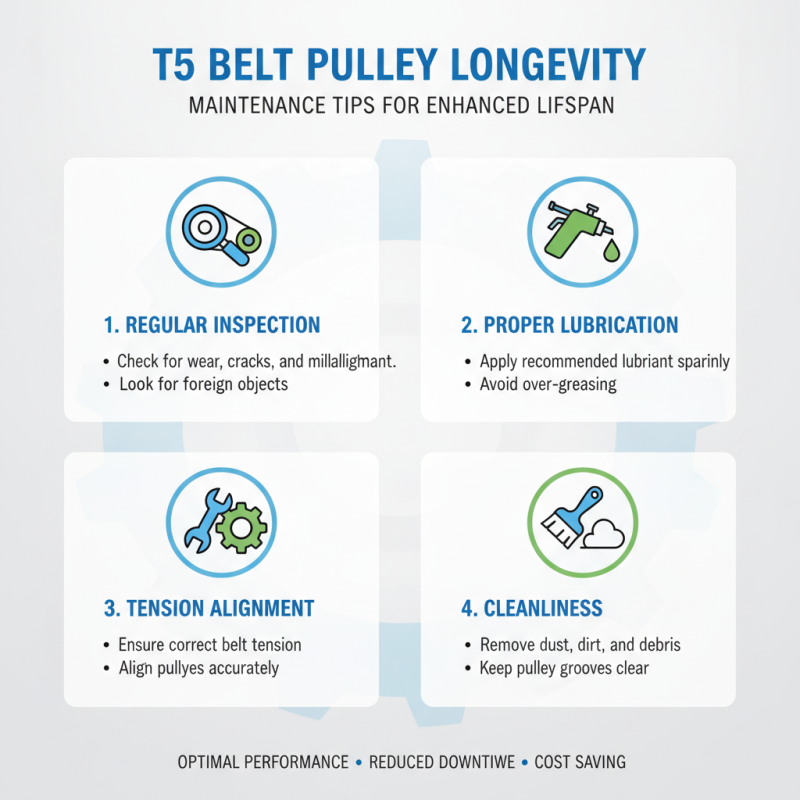
Installation might seem straightforward, but the process requires attention. Improper fitting can lead to slippage and even failure of the entire mechanism. Regular checks can prevent issues, but often overlooked, routine maintenance can significantly extend a pulley’s lifespan. The details matter, and a proactive approach will yield the best results, even if the initial setup is flawed.
Key Specifications of T5 Belt Pulleys: Size, Material, and Load Ratings
When selecting a T5 belt pulley, size, material, and load ratings are crucial factors. T5 pulleys are commonly used in various machinery applications, offering reliable performance. The diameter of the pulley typically ranges from 50 mm to 500 mm. Smaller sizes are ideal for lighter loads, while larger sizes handle heavier weights. For optimal operation, ensure the pulley size matches your belt specifications.
Material choice impacts durability and performance. Most T5 pulleys are manufactured from steel or aluminum. Steel pulleys support high load capacity and provide excellent strength. On the other hand, aluminum pulleys are lightweight, enhancing efficiency in less demanding applications. A report from the American Society of Mechanical Engineers (ASME) indicates that material selection can reduce wear and prolong service life by up to 30%.
Load ratings are another essential specification. T5 pulleys can accommodate various loads based on their design. Standard load ratings often range from 200 N to 2,000 N. It is important to assess your application requirements accurately. An under-rated pulley can lead to premature failure, while an over-rated option may incur unnecessary costs. Evaluating performance metrics thoroughly can avoid complications and ensure effective usage.
Factors to Consider When Selecting a T5 Belt Pulley for Your Application
When selecting a T5 belt pulley, several factors should be considered to ensure optimal performance. The material of the pulley can greatly influence its durability and efficiency.
Common materials include aluminum, plastic, and steel. Each material has unique properties, impacting load capacity and wear resistance.
According to a report by the International Journal of Mechanical Engineering, pulleys made from hardened steel can handle more stress but are often costlier.
The size and dimensions of the pulley are critical aspects that cannot be overlooked. A proper fit can enhance power transmission and reduce vibrations in the system.
The belt width and diameter play significant roles here. An incorrectly sized pulley can lead to premature failure or underperformance, which can be costly.
Research from Mechanical Systems and Signal Processing indicates that misalignment can result in a 20% decrease in efficiency over time.
Additionally, environmental factors should not be ignored. If the pulley operates in a high-temperature environment, select a material that can withstand heat without deformation.
The operating speed also provides insight into the pulley type needed. A study indicates that the maximum RPM for a T5 pulley should align with the motor specifications to avoid failure.
Assess each of these aspects carefully; the right T5 belt pulley is key to a successful application.
Common Applications of T5 Belt Pulleys in Various Industries
T5 belt pulleys are integral components in many industries. They provide essential power transmission and motion control. Their design allows for smooth operation and efficient energy transfer. Various sectors utilize T5 pulleys, including manufacturing, automotive, and packaging.
In manufacturing, T5 pulleys drive machines like conveyors and motors. They help move materials smoothly along assembly lines. In the automotive industry, these pulleys assist in belt drive systems, ensuring reliable engine performance. Additionally, packaging companies use T5 pulleys for precise movement in sorting and sealing machines.
The choice of a T5 pulley depends on several factors. Businesses must consider load capacity, speed, and environment. Selecting the right pulley can significantly affect operational efficiency. Some may overlook the importance of proper material selection, leading to premature wear. A thorough assessment of needs can prevent costly mistakes.



 +86-19862000127
 Phone
Phone Email
Email