How to Identify Antique Pulley Value and History for Collectors
Antique pulleys have become increasingly sought after by collectors and enthusiasts alike, with their historical significance and artisanal craftsmanship capturing the imagination of many. As reported by the Antiques Trade Gazette, the market for antique tools, including pulleys, has seen a resurgence, with auctions fetching impressive sums that reflect both rarity and provenance. The appeal of antique pulleys lies not only in their practical use in historic applications such as shipbuilding and agriculture but also in the stories they tell about the industries and artisans of the past.
In 2021, a comprehensive market analysis conducted by the Antique Resource Association revealed that collectible items like antique pulleys are gaining traction, partly due to the rising interest in sustainable practices and vintage aesthetics. Collectors find value in the unique designs and materials used in these pulleys, which can vary significantly based on time period, origin, and maker. Understanding the factors that influence the value and history of antique pulleys is essential for anyone serious about collecting, as it allows for informed purchasing decisions and contributes to the preservation of this fascinating aspect of industrial heritage.
Understanding the Basics of Antique Pulleys and Their Functionality
Antique pulleys serve a functional purpose that stretches back centuries, primarily used in various industries to lift and move heavy objects. These mechanical devices consist of a wheel that is mounted on an axle, which accommodates a rope or cable. Historically, pulleys made tasks such as hoisting sails on ships or lifting materials in construction sites significantly easier and more efficient. Understanding these fundamentals allows collectors to appreciate not only the craftsmanship involved but also the practical applications these pulleys offered in their time.
When assessing antique pulleys, it's important to recognize the different types that exist, ranging from single pulleys, which are ideal for simple lifting tasks, to block and tackle systems that provide a mechanical advantage for heavier loads. Collectors should also consider the materials used in their construction, including wood, iron, and brass, as these elements speak to both the durability and aesthetic qualities of the piece. Additionally, the condition of the pulley can greatly affect its value, with intact mechanisms and original parts generally commanding higher interest in the antiques market. By exploring the historical context and functional design of antique pulleys, collectors can develop a more informed perspective on their value and significance.
How to Identify Antique Pulley Value and History for Collectors - Understanding the Basics of Antique Pulleys and Their Functionality
| Pulley Type |
Material |
Age (Years) |
Historical Use |
Estimated Value ($) |
| Wooden Pulley |
Wood |
100 |
Maritime |
150 |
| Iron Pulley |
Iron |
80 |
Industrial |
250 |
| Brass Pulley |
Brass |
60 |
Marine Equipment |
350 |
| Pulley Block |
Wood and Steel |
120 |
Construction |
400 |
| Vintage Canvas Pulley |
Canvas |
75 |
Agriculture |
200 |
Key Factors That Determine the Value of Antique Pulleys
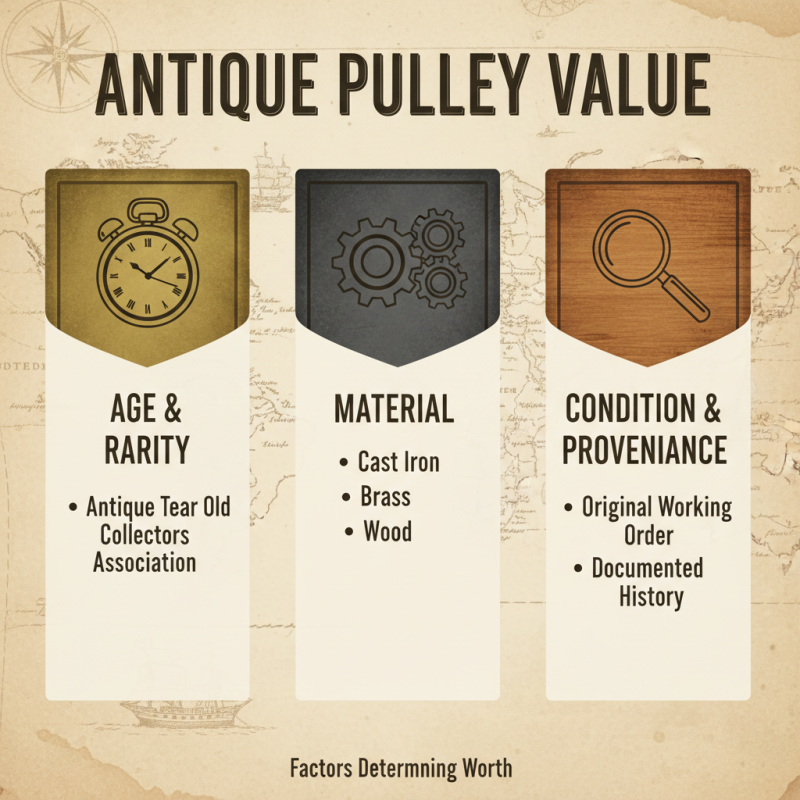
When identifying the value of antique pulleys, several factors play a crucial role in determining their worth. The age of the pulley is perhaps the most significant factor; items over 100 years old often command higher prices due to their rarity. According to industry reports, such as those from the Antique Tool Collectors Association, items from specific eras, like the Industrial Revolution, are particularly sought after by collectors. Additionally, the material used in the pulley can affect its value, with cast iron, brass, and wood being the most desirable.
Another key element is the condition of the pulley. Pulleys that are in pristine condition, with minimal rust or damage, tend to fetch higher prices. A recent survey conducted among collectors revealed that about 70% of respondents consider condition to be the most critical factor when purchasing antique tools. Moreover, unique features such as intricate designs or manufacturer markings can significantly enhance a pulley’s value.
**Tips:** Look for markings or stamps on the pulley, as they can offer insight into its origin and history. Engaging with local antique fairs or online collector forums can also provide valuable information about current market trends. Lastly, always consider acquiring a professional appraisal for high-value items to ensure you're assessing their worth accurately.
Historical Significance and Evolution of Pulleys Over Time
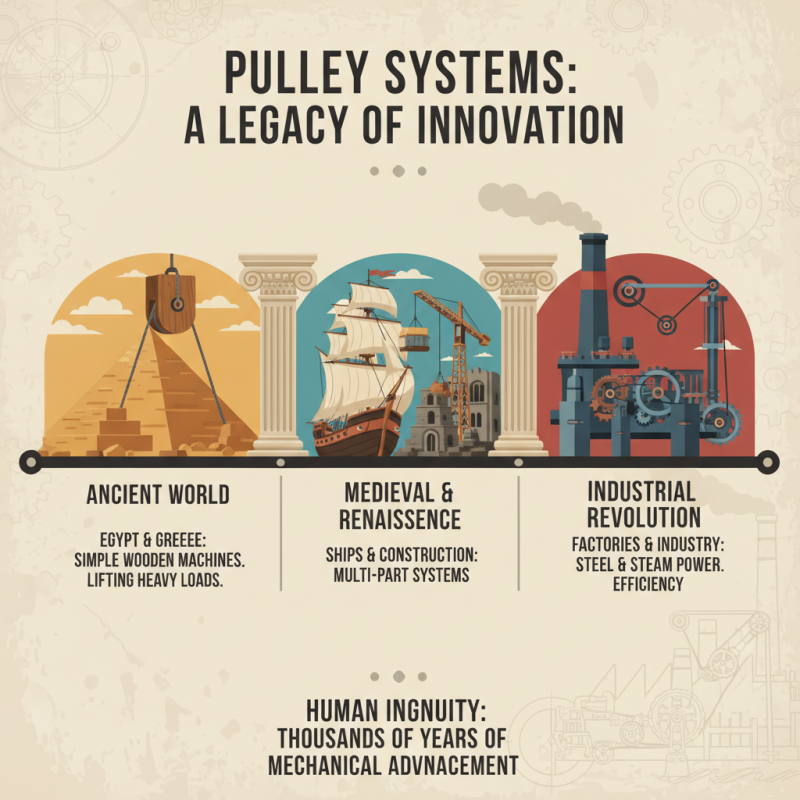
The pulley system has a rich historical significance that traces back thousands of years, showcasing human ingenuity in mechanics and construction. Initially used in ancient civilizations, pulleys facilitated the lifting of heavy loads with minimal effort, revolutionizing how structures were built. The evolution of pulleys is evident in their materials and designs; from simple wooden systems in ancient Egypt to the complex systems employed during the Industrial Revolution, each advancement reflects changing technological capabilities and the growing need for efficiency in labor.
Collecting antique pulleys is more than just an appreciation of craftsmanship—it's a glimpse into the historical milestones of engineering. Different designs, such as block and tackle systems, reveal how demands for transportation and construction evolved. As collectors delve into the history of their items, they often uncover fascinating stories tied to the specific uses of these pulleys in various industries, from maritime applications to construction.
**Tips for Collectors:** When examining antique pulleys, pay close attention to the material and mechanism. Understanding the origin and the period it was manufactured can greatly influence its value. Additionally, consider the condition of the pulley; those in intact, working order tend to hold greater historical and monetary significance. Don’t forget to research the context in which it was used; a pulley with a notable background can significantly enhance its appeal to collectors.
How to Authenticate and Appraise Your Antique Pulley Collection
When delving into the world of antique pulleys, authentication and appraisal become crucial steps in building a valuable collection. Firstly, examining the materials and construction methods can provide insights into the age and origin of the pulleys. According to a report from the Antique Tool Collector’s Association, pulleys manufactured before the 1900s often used wrought iron and wood, while later designs incorporated more modern materials such as cast iron and steel. Look for specific design features, such as the type of wheel and the mechanism used for rigging, which can indicate the pulley’s era and functionality, thereby assisting in its authentication.
In appraising your antique pulley collection, it is essential to consider factors such as rarity, condition, and provenance. A 2022 market analysis by the Collectibles and Antique Dealers Association reveals that rare pulleys, particularly those with unique designs or distinguished historical significance, can fetch higher prices, sometimes exceeding $500 at auction. Additionally, pulleys with well-documented histories tend to command better valuations, reinforcing the importance of keeping thorough records of each piece in your collection. Engaging with professional appraisers who specialize in antiques can provide you with a clearer understanding of the market dynamics and appropriate pricing for your items, ensuring that your collection reflects its true value.
Antique Pulley Value and Age Analysis
Top Tips for Collecting and Preserving Antique Pulleys
Antique pulleys have become increasingly popular among collectors due to their rich history and functional aesthetics. Collecting these historical artifacts requires not only enthusiasm but also a keen understanding of their value and preservation techniques. Experts from the Antique and Industrial Collectors Association note that pulleys dating back to the early 1900s can fetch anywhere from $50 to several hundred dollars, depending on their condition, rarity, and craftsmanship.
When it comes to preserving antique pulleys, proper care is essential to maintain their value. **Tip 1:** Always clean your pulleys with a soft, non-abrasive cloth to avoid scratching their surfaces. If necessary, use a mild soap solution and ensure they are thoroughly dried afterward to avoid rusting. **Tip 2:** Store your pulleys in a climate-controlled environment to protect them from extreme temperatures and humidity, which can cause deterioration over time.
Additionally, documentation is key for any collector. **Tip 3:** Keep a detailed record of each pulley’s history, including its age, provenance, and any repairs made. This not only increases the value of the pulley but also enhances its story, making it all the more appealing to potential buyers. Understanding these practices will help collectors appreciate and safeguard their antique pulleys for years to come.



 +86-19862000127
 Phone
Phone Email
Email