How to Choose the Right T5 Belt Pulley for Your Needs?
Choosing the right T5 Belt Pulley is crucial for optimal performance in various applications. These pulleys play a vital role in power transmission systems. Understanding your specific needs comes down to several key factors.
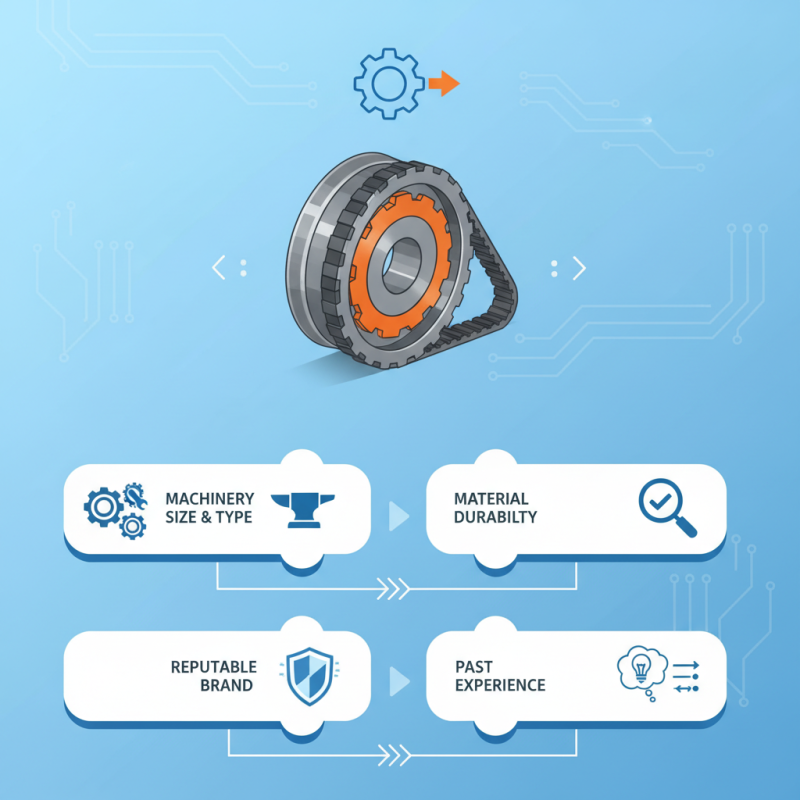
Consider the size and type of your machinery. The T5 Belt Pulley must fit perfectly with other components. Size discrepancies could lead to inefficiencies or even mechanical failures. Also, think about the material. A durable pulley can withstand greater loads and resist wear over time.
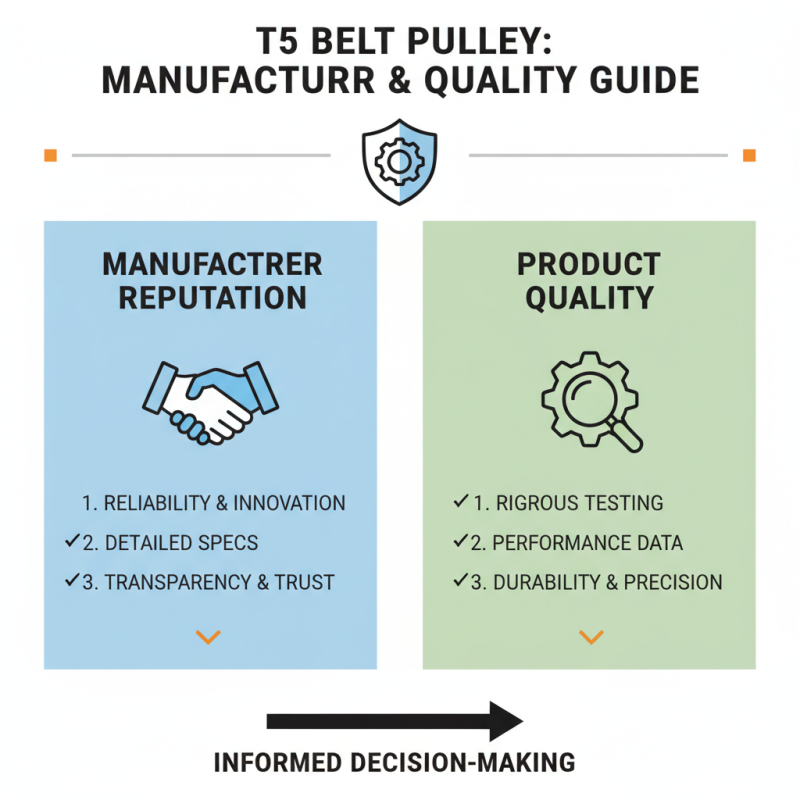
However, not all T5 Belt Pulleys are created equal. Some may promise high performance but fail to deliver reliability. It's essential to research and choose a reputable brand. Reflect on your previous experiences with pulleys. Have they fulfilled your expectations? The right choice today can save you time and costs in the future.
Understanding the Basics of T5 Belt Pulleys
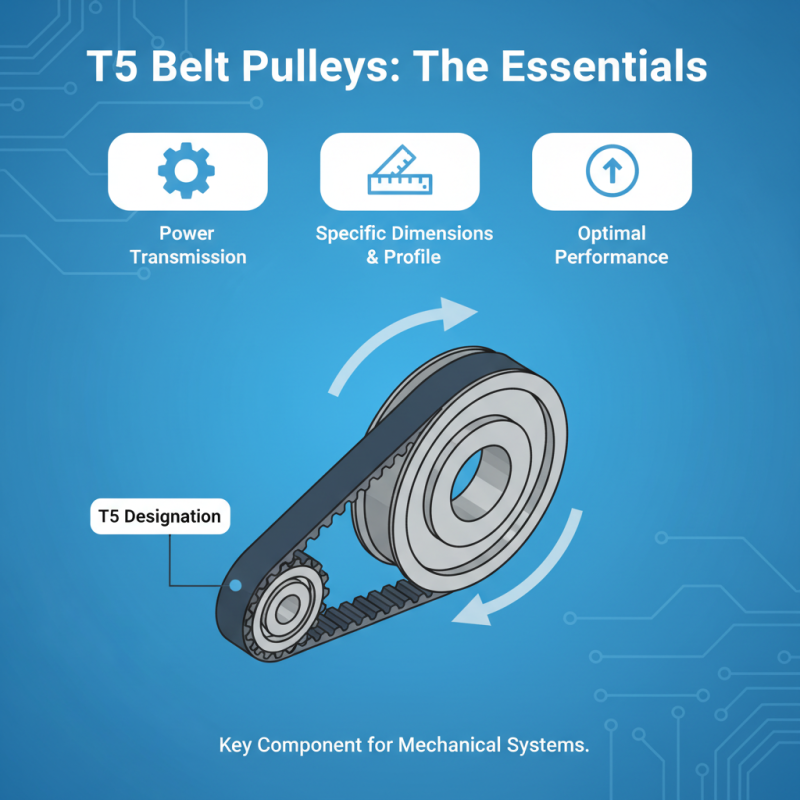
T5 belt pulleys are crucial components in many mechanical systems. They facilitate power transmission between shafts using a belt. Understanding their basics is essential when making a choice. The T5 designation refers to specific dimensions and profiles designed for optimal performance.
When selecting a T5 belt pulley, consider factors such as diameter and material. The diameter affects the speed ratio and torque. Common materials for these pulleys include aluminum and plastic. Aluminum offers strength, while plastic is lightweight and cost-effective. Be mindful of your application's requirements.
It’s also important to assess load capacity and environmental conditions. Not every pulley suits high loads or harsh environments. This is where reflections on your application matter. A wrong choice can lead to inefficiencies or failures. Analyzing your needs thoroughly helps you avoid costly mistakes.
Identifying Your Application Requirements
When selecting a T5 belt pulley, it's crucial to identify your specific application requirements. Consider the load capacity you need. Different applications demand different levels of strength. For instance, a pulley used in a conveyor system requires high tensile strength. Ensure you know the weight and the materials being handled.
Next, think about the environmental conditions the pulley will face. Will it be exposed to moisture, heat, or dust? These elements can affect the pulley’s performance and durability. Choose materials resistant to corrosion and wear. A pulley used outdoors might need additional protective features.
Lastly, consider the size and speed of your system. The diameter of the pulley influences the speed of operation. A larger pulley can move materials faster, but it may also require more power. Analyze your system’s needs carefully. It’s not uncommon to overlook these details, leading to inefficient performance. Reflect on your requirements. Each decision affects the overall efficiency and longevity of your system.
Choosing the Right T5 Belt Pulley: Application Requirements
Determining the Ideal Pulley Size and Ratio
Choosing the right T5 belt pulley depends on its size and ratio. The pulley size influences the speed and torque of your system. A larger pulley typically produces lower speed but higher torque. Conversely, a smaller pulley delivers higher speed but less torque. Understanding your specific application will help you determine the ideal size.
When considering the ratio, remember that it affects the overall performance. A ratio is the relationship between the sizes of two pulleys. A higher ratio means greater torque but lower speed. Lower ratios provide the opposite. For example, a 2:1 ratio doubles the torque while halving the speed. This relationship can change the dynamics of your machinery significantly.
Experimenting with different sizes and ratios is crucial. You might discover that the initial choice doesn't meet your needs. Adapting and refining your selection can lead to better efficiency. It's essential to monitor performance closely. Don't hesitate to make adjustments along the way. In the end, the right pulley can make a substantial difference in achieving optimal performance in your operations.
Material Considerations for Durability and Performance
When selecting a T5 belt pulley, material choice is critical. Different materials offer varying levels of durability and performance. Common options include aluminum, steel, and plastic. Aluminum pulleys are lightweight and resistant to corrosion, making them suitable for many applications. However, they may lack the strength required for heavy-duty tasks.
Steel pulleys, while heavier, provide superior strength and longevity. They are ideal for high-load environments. Yet, they are prone to rust if not properly treated. Plastic pulleys are another option. They are inexpensive and lightweight but might not withstand high stresses well.
Consider your specific needs. Environmental factors also play a role. If your pulley will be exposed to moisture, opting for corrosion-resistant materials is wise. Reflect on the balance between weight and strength. Choosing the right material can significantly influence your pulley’s performance. Always weigh the pros and cons of each material before making a decision.



 +86-19862000127
 Phone
Phone Email
Email