2026 How to Choose the Right Elevator Belts for Your Needs?
Elevator Belts play a crucial role in various industries. According to a recent industry report by Market Research Future, the global elevator belts market is expected to grow by 4.5% annually through 2026. Choosing the right elevator belts is essential for optimal performance and safety.
The type of belt needed can significantly impact efficiency. For instance, proper material selection affects durability and load capacity. A study by the Elevator Manufacturers Association emphasizes that incorrect belt choices can lead to increased downtimes and maintenance costs. Failing to assess specific requirements might result in subpar performance.
Understanding your needs is not a simple task. Factors such as the environment, load type, and operational frequency must be considered. Even minor oversights can lead to future complications. Evaluate the features and specifications of different elevator belts to avoid these challenges. Making informed decisions is vital for achieving long-term success.
Understanding Different Types of Elevator Belts and Their Features
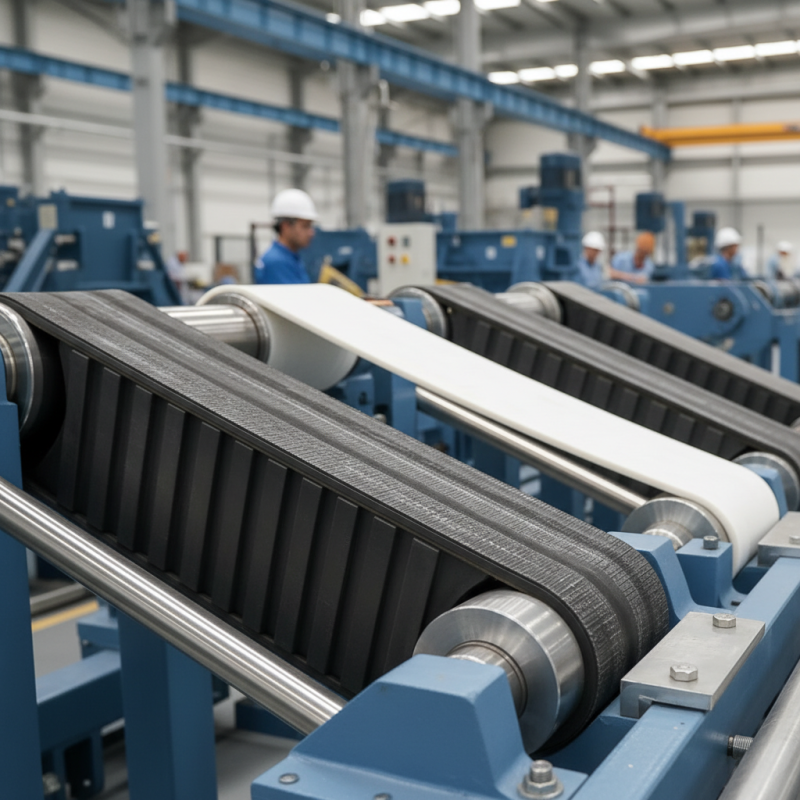
Elevator belts are crucial in various industries. They facilitate the movement of materials efficiently. Understanding their types is essential before making a choice.
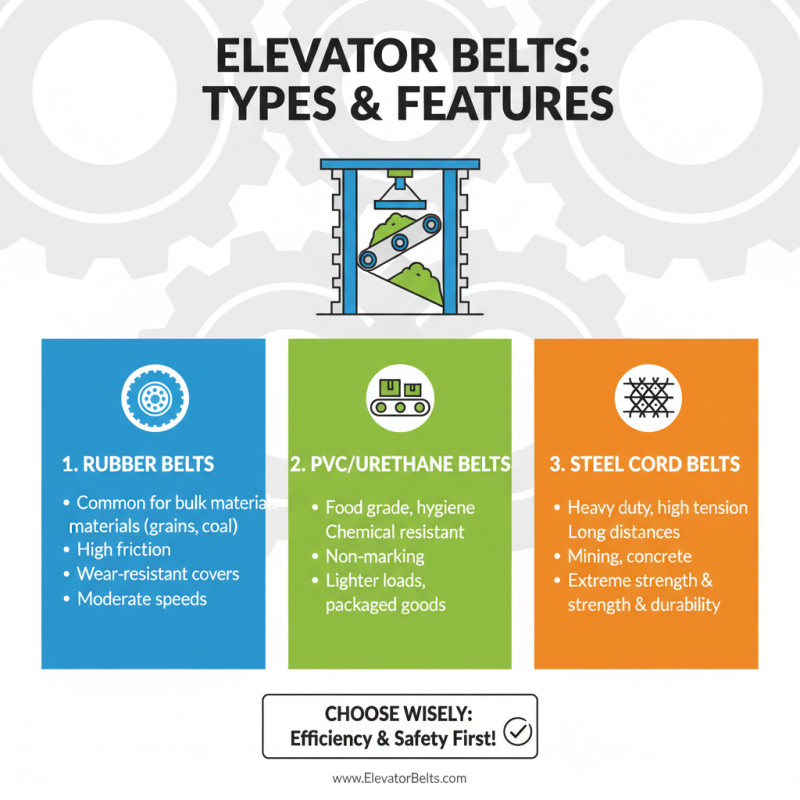
There are several types of elevator belts, each designed for specific needs. For instance, the rubber elevator belt is known for its durability. It handles heavy loads and harsh environments well. Conversely, nylon belts are lighter and offer flexibility, making them ideal for lighter materials. Consider the weight capacity and the specific environment when choosing.
Not all belts are created equal. Quality can vary significantly among manufacturers. An inferior belt may lead to frequent replacements and costs that pile up. Take time to research experienced vendors. Always check user reviews and ask for recommendations. The right belt will improve efficiency and save money in the long run.
Evaluating Your Specific Needs and Requirements for Elevator Belts
When it comes to selecting elevator belts, understanding your specific needs is vital. Each application may require a different type of belt. For instance, agricultural elevators often need belts with higher resistance to abrasion due to handling grains and seeds. Data shows that up to 70% of failures in elevator systems can be traced back to inadequate belt selection. It's crucial to consider the material being transported, as well as the distance and height of the lift.
The environment also plays a pivotal role in your decision. In humid or corrosive settings, materials that resist moisture and chemical damage are essential. A report from the Conveyor Equipment Manufacturers Association indicates that equipment longevity can increase by 30% with the appropriate belt choice. Think about the load capacity, too. Can the belt handle the maximum weight you expect? Testing under real conditions can sometimes reveal unexpected results or weaknesses.
Cost is always a consideration, but investing in the right belt can save you money in the long run. Maintenance costs can surge if a low-quality belt leads to frequent breakdowns. Remember, choosing elevator belts isn't merely about price; it's about ensuring reliability and efficiency. Each choice you make should reflect a thoughtful evaluation of your unique circumstances and operational requirements.
Key Factors to Consider When Selecting Elevator Belts
When selecting elevator belts, consider the material. Common choices include rubber, PVC, and nylon. Each type has unique properties. For example, rubber offers excellent grip but can degrade in extreme temperatures. PVC, on the other hand, may be more resistant to chemicals but lacks flexibility. According to a report by IBISWorld, the global market for elevator belts is projected to grow steadily, highlighting the importance of careful selection.
Next, evaluate the belt width and length. This directly impacts capacity and efficiency. An incorrect size can lead to inefficiencies, causing increased operational costs. Research from the Association for Manufacturing Technology indicates that improper belt sizing can reduce overall lift performance by up to 20%. This is an important consideration, especially for industries reliant on precise logistics.
Additionally, think about the environment where the elevator belt will be used. Factors like temperature, humidity, and exposure to chemicals are critical. Belts used in food processing must meet specific safety standards. Data from the Conveyor Equipment Manufacturers Association stresses the significance of compliance. It suggests that nearly 30% of elevator belt failures stem from environmental mismatches.
Comparing Material Options for Durability and Performance
Choosing the right elevator belts can significantly impact your system's efficiency and longevity. When evaluating materials, the focus often lies on durability and overall performance. Various reports indicate that high-quality materials can enhance lifespan by up to 30%. Common materials include polyester, nylon, and rubber. Each has distinct attributes that cater to specific needs.
Polyester belts, for example, provide excellent tensile strength. They are resistant to wear and tear. However, they may fall short in flexibility. Nylon offers great flexibility but might not withstand extreme temperatures as well as polyester. Rubber belts excel in elasticity but face challenges in UV exposure. A recent industry study revealed that nearly 25% of maintenance issues stem from improper material selection.
In practice, understanding the application is crucial. An ideal belt for an industrial elevator may not suffice for a residential lift. Misjudging the environmental variables can lead to unexpected failures. It's essential to consider operational environments carefully. Always engage with professionals who can accurately assess your situation. Their insights can guide the selection process, reducing downtime and maintenance costs significantly.
2026 How to Choose the Right Elevator Belts for Your Needs? - Comparing Material Options for Durability and Performance
| Material Type |
Durability Rating |
Performance Metrics |
Cost per Meter |
| Polyester |
8/10 |
Good tension resistance, less stretch |
$5 |
| Rubber |
7/10 |
High friction, flexible |
$7 |
| Nylon |
9/10 |
Excellent wear resistance |
$6 |
| Polypropylene |
6/10 |
Lightweight, low cost |
$4 |
Maintenance Tips for Prolonging the Life of Elevator Belts
Elevator belts play a crucial role in ensuring the smooth operation of vertical transport systems. Proper maintenance is essential for extending their lifespan. According to industry reports, elevators should have regular inspections every six months to identify wear and tear before major issues arise.
To maintain elevator belts effectively, consider these tips. Regular cleaning prevents debris buildup, which can reduce friction. Check alignment frequently; misaligned belts can cause uneven wear. Moreover, monitor tension levels. Proper tension minimizes slippage and wear, as incorrect tension can shorten the life of belts significantly.
Additionally, keep an eye on usage patterns. High-traffic elevators may require more frequent maintenance. As a general guideline, belts used in busy environments may benefit from quarterly inspections. Collecting data on operational loads can help foresee when maintenance is needed. Consider logging these elements to create a long-term maintenance strategy. Maintenance not only boosts efficiency but also keeps costs lower over time.
Elevator Belt Material Composition and Durability
This chart illustrates the durability of different elevator belt materials. Understanding the durability can help in choosing the right elevator belts for specific needs, ensuring longevity and reliability in elevator performance.



 +86-19862000127
 Phone
Phone Email
Email