How to Choose the Best 5mm Htd Pulley for Your Project?
Choosing the right 5mm HTD pulley is crucial for your project. The right pulley can enhance efficiency and ensure smooth operation. However, many factors come into play when selecting one.
Consider the material of the 5mm HTD pulley. Options include plastic and aluminum. Each material offers unique benefits. For high-torque applications, aluminum is often preferred. Yet, it might be more expensive and heavier. Weight can be a key factor in your project design.
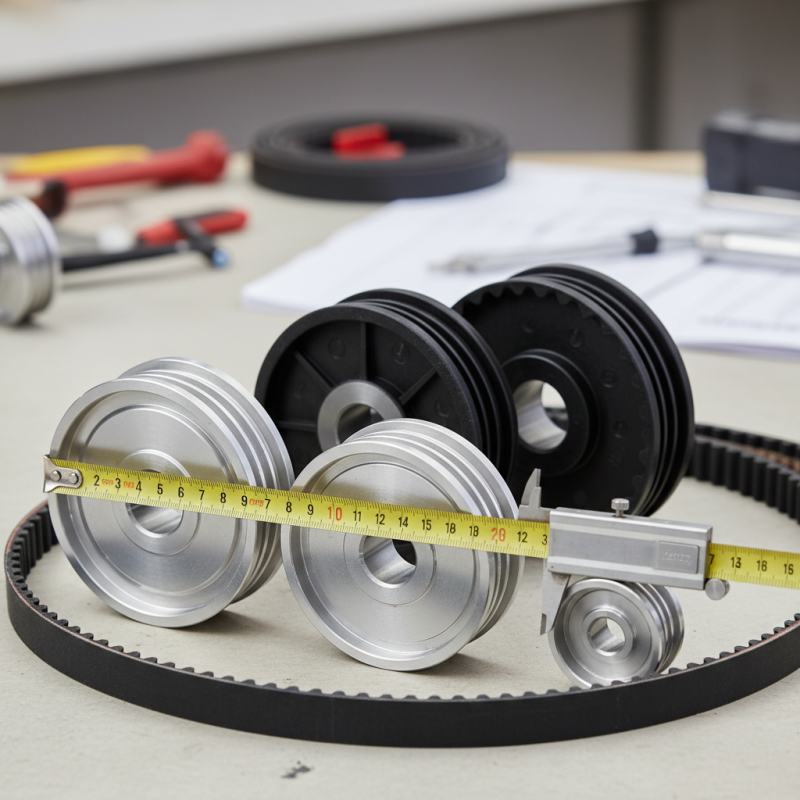
Evaluate the compatibility with your belt system. Not all 5mm HTD pulleys work with every belt type. Sizing is also essential. Measure the pulley diameter and tooth count carefully. A minor mistake can lead to significant issues later. Don't rush the decision; take the time to analyze your needs and project specifics. Ultimately, the right choice can greatly influence your project's success.
Understanding the Basics of 5mm HTD Pulleys
When selecting a 5mm HTD pulley, understanding its basic features is crucial. HTD stands for High Torque Drive. These pulleys have been widely used in various applications, including robotics and automation. According to a recent industry report, the demand for HTD pulleys has increased by 15% annually due to their efficiency in power transfer.
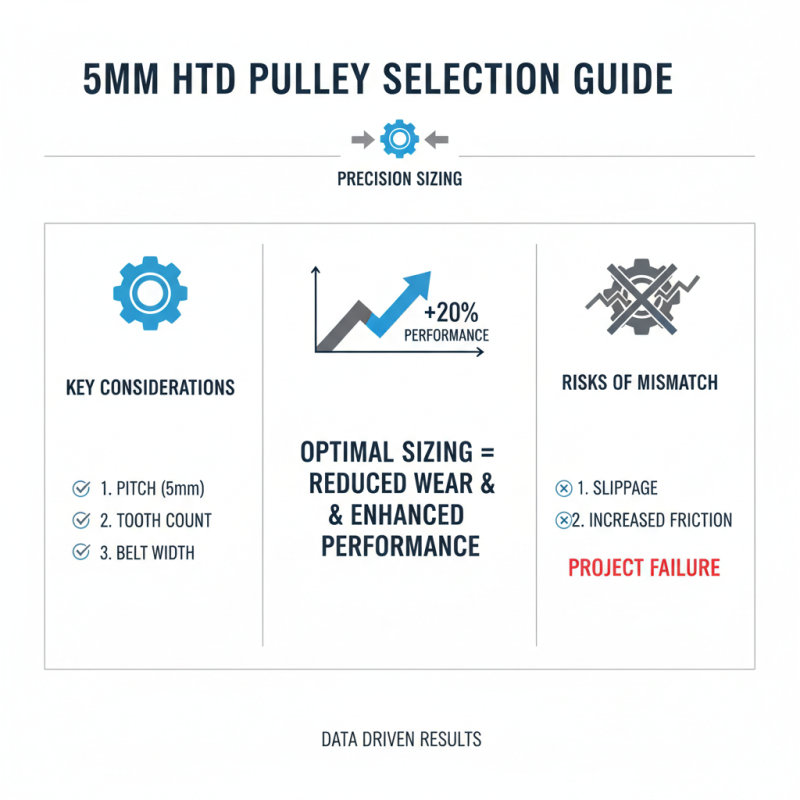
The tooth profile of 5mm HTD pulleys is designed for optimal grip. This ensures minimal slippage. The pitch and the number of teeth are vital for compatibility with the belt. A mismatch can lead to premature wear or failure. It’s important to consider material too. Many pulleys use plastic or aluminum. Each material has distinct advantages like weight and cost-effectiveness.
Still, not all pulleys are created equal. Variations in manufacturing can affect performance. A slight deviation in pulley size can cause alignment issues. Some projects may not need the highest quality. However, cutting corners can lead to significant problems down the line. Evaluate your specific needs carefully. Don't overlook the importance of proper installation. The right choices will make a difference in your project’s success.
Key Factors to Consider When Choosing a 5mm HTD Pulley
When selecting a 5mm HTD pulley for your project, several key factors come into play. The pitch of the pulley is crucial. A 5mm HTD (High Torque Drive) pulley is designed for specific applications that require precision and power efficiency. According to industry reports, HTD pulleys have superior torque transmission capabilities, making them ideal for machinery, robotics, and automation.
Material choice is another important consideration. Many pulleys are made from aluminum or reinforced plastic. Aluminum offers strength and durability, but plastic may be lighter and cost-effective. The right choice impacts performance and longevity. Additionally, the number of teeth on the pulley influences gear ratio and speed. For instance, a larger number of teeth can yield higher speeds but may sacrifice torque.
It’s also vital to examine compatibility with belts. The belt’s width and length need to match the pulley perfectly. Incorrect sizing can lead to rapid wear and malfunction, which requires reflection on the initial design choices. Coupling mechanisms should also fit securely. While these factors seem straightforward, overlooking them can lead to inefficiencies or project failures down the line. Balancing these parameters requires careful thought and attention to detail.
Material Choices for Durability and Performance
When selecting a 5mm HTD pulley, material choice plays a vital role. The right material enhances both durability and performance. Common materials include aluminum, steel, and plastic. Aluminum is lightweight yet sturdy. It resists corrosion and can handle various loads. Steel offers superior strength but is heavier. Plastic is lightweight and cost-effective but may have lower load capacity.
Tips: Consider the environment where the pulley will operate. High humidity or temperature fluctuations can affect performance. It may be worth investing in corrosion-resistant materials for longevity.
Another factor to examine is how the material affects noise levels. Metal pulleys can be noisy during operation. If noise is a concern, opting for plastic or composite pulleys may provide a quieter solution.
In conclusion, reflect on the specific needs of your project. Consider load requirements and environmental factors. The choice of material can significantly impact your project's success.
Durability and Performance of 5mm HTD Pulleys by Material
Maintenance Tips for 5mm HTD Pulleys in Your Applications
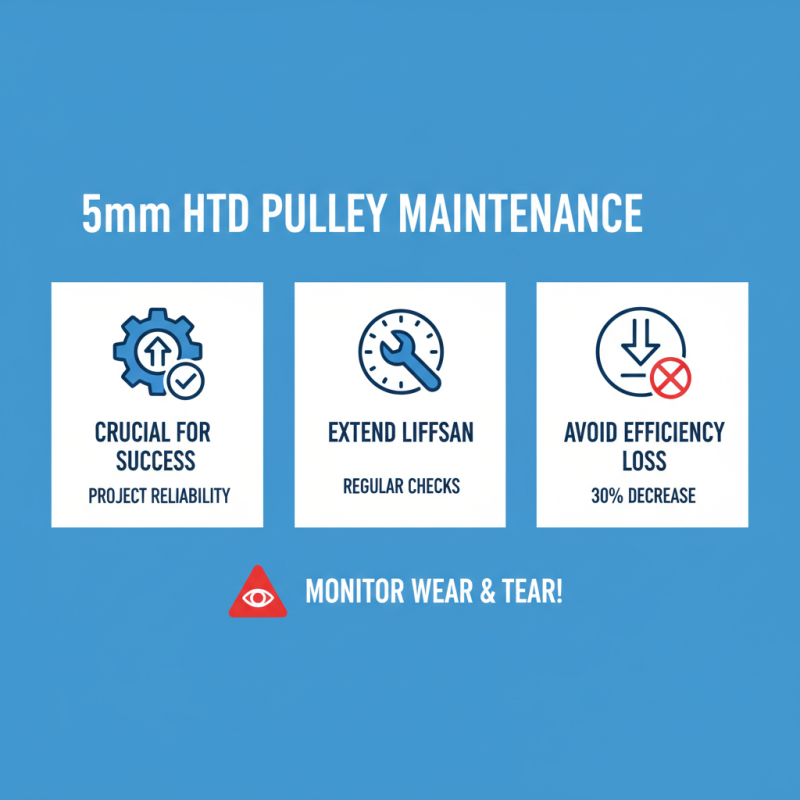
Maintaining 5mm HTD pulleys is crucial for project success. Regular checks can extend their lifespan. A recent report highlighted that improper maintenance can lead to a 30% decrease in efficiency. Therefore, keeping a close eye on wear and tear is essential.
Inspecting the tension of the belt is a basic yet critical task. Too much tension can cause premature wear. Conversely, too little tension can lead to slip, resulting in power loss. The ideal tension is often specified in guidelines, but it requires periodic adjustments.
Lubrication is sometimes overlooked. It’s important to choose the right lubricant. Excessive lubricant can attract dirt, leading to further wear. A study found that nearly 25% of pulley failures are related to inadequate lubrication practices. Cleaning the pulley before applying lubricant can improve performance. Regularly schedule this maintenance task to avoid unexpected failures.



 +86-19862000127
 Phone
Phone Email
Email