5mm Gt2 Pulley Tips for Optimal Performance and Selection?
The 5mm GT2 pulley is vital in ensuring optimal performance for various applications. Selecting the right pulley can greatly impact efficiency. Many users overlook essential details when choosing their 5mm GT2 pulley.
Different materials and designs affect durability and performance. The choice between aluminum and plastic can be significant. Some may choose based on cost alone, which can lead to subpar results.
For optimal performance, pay attention to compatibility with belts. Measure accurately to avoid mismatches. Users often rush this step, leading to frustrations later on. A well-selected 5mm GT2 pulley can enhance your project, but careful consideration is crucial.
Understanding the Basics of 5mm GT2 Pulleys and Belts
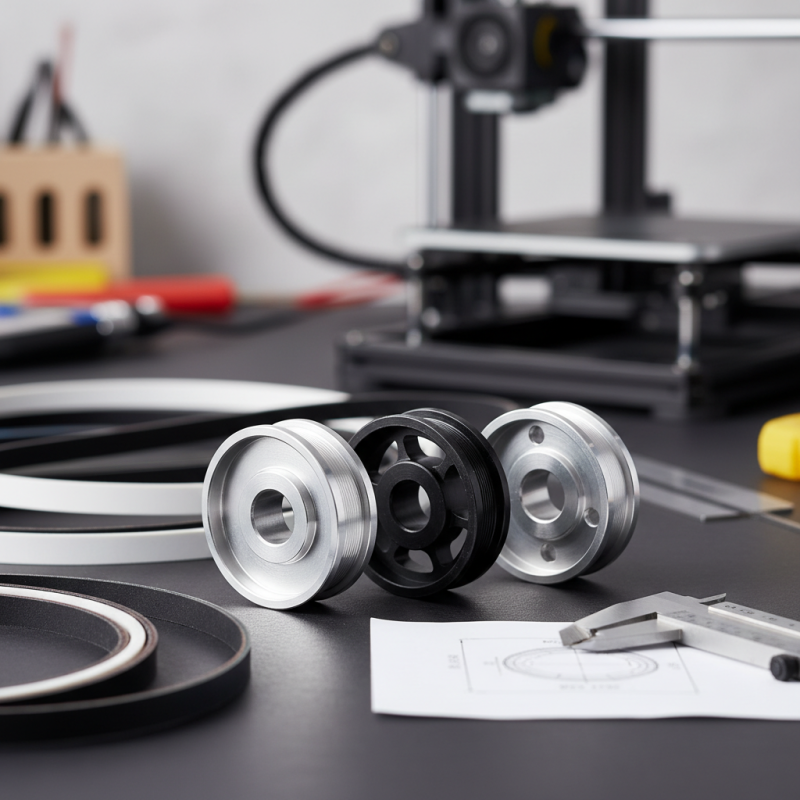
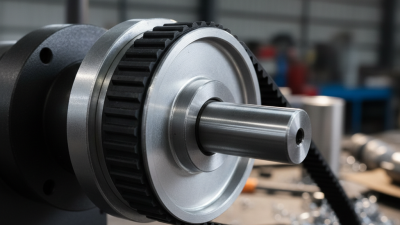
5mm GT2 pulleys play a crucial role in various mechanical systems. Understanding their design and function can improve overall performance. GT2 refers to the tooth profile that fits a specific type of belt. This precise fit allows for efficient power transmission. The 5mm width indicates the distance between the belt's teeth, which is important for compatibility.
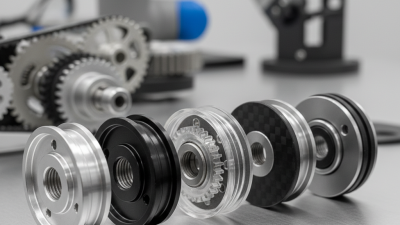
When selecting GT2 pulleys, consider the material and the number of teeth. Common materials include aluminum and plastic, each with pros and cons. Aluminum offers strength, while plastic provides lightweight options. Fewer teeth can increase speed but reduce torque. This is a crucial trade-off.
Installation is another aspect that requires attention. Misalignment can lead to increased wear. Over time, this can cause performance issues. Regular checks can help maintain optimal function. Experimenting with different configurations may reveal better results but comes with risks. Understanding these dynamics enhances efficiency and longevity.
Key Factors in Selecting the Right 5mm GT2 Pulley for Your Project
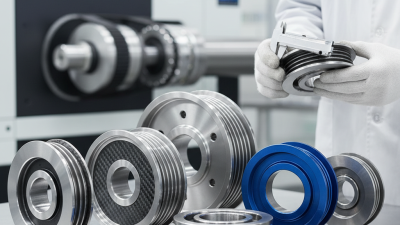
When selecting a 5mm GT2 pulley, consider key factors such as material and design. High-quality materials like aluminum or reinforced plastic ensure durability and performance. The pulley’s design must match your specific application. Tapered or flat surfaces can significantly affect grip and efficiency. Choose wisely.
Bearings are another critical aspect. Some pulleys come with built-in bearings, while others require separate choices. Built-in options may save space but limit customization. Think about potential upgrades. Poor choices can impact your machine’s performance and run smoothly.
Don't forget to evaluate the pulley’s teeth count. It affects torque and speed. A higher teeth count can provide better grip but may reduce speed. Adjust according to your project needs. Sometimes, it's easy to overlook these details, leading to possible setbacks. Reflect on your choices carefully.
Tips for Ensuring Optimal Performance of 5mm GT2 Pulleys
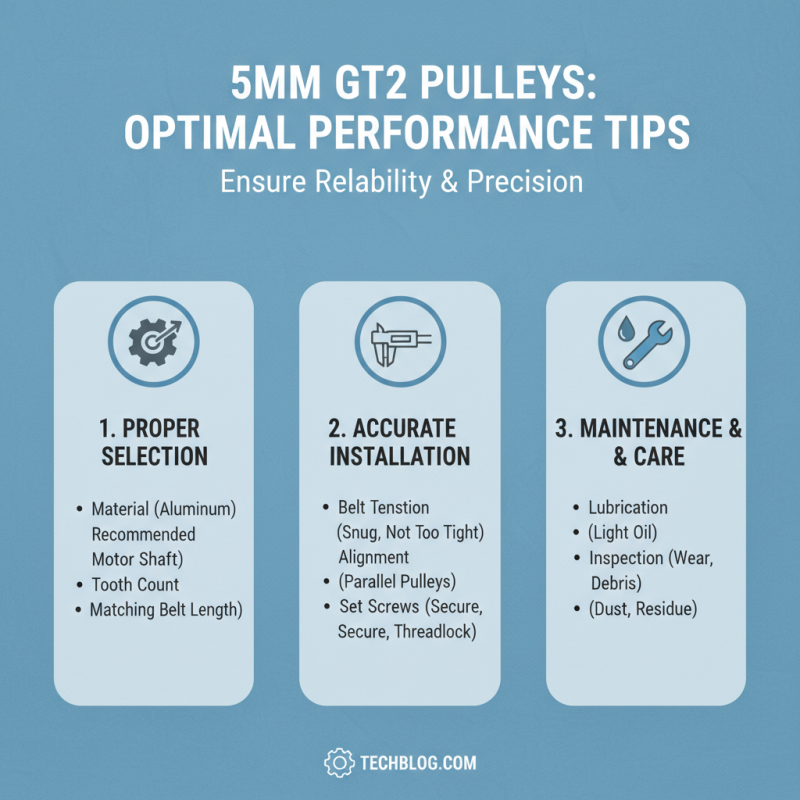
When working with 5mm GT2 pulleys, performance is key. Proper selection is crucial. Here are some tips to ensure optimal performance.
Choosing the right pulley material can significantly impact performance. For instance, aluminum offers durability, while plastic is lightweight and cost-effective. Each material has its pros and cons. You must weigh these carefully. Consider your project requirements before making a choice.
Installation matters greatly too. Make sure to align your pulleys correctly. Misalignment can cause wear and tear. Additionally, check the tension of your belts. Too loose or too tight can lead to inefficiency. It's essential to find that sweet spot for best performance.
Don't forget maintenance. Regular cleaning prevents debris build-up. Inspect pulleys for any signs of damage. Even small chips can affect operation. Periodic checks are necessary to maintain optimal performance. It can feel tedious, but it's worth the effort in the long run.
Common Issues and Troubleshooting for GT2 Pulley Systems
When using GT2 pulley systems, common issues can arise that affect performance. Belt slippage is one major concern. If the belt isn’t tightened correctly, it can lose grip on the pulley. This may cause inconsistent movement and inaccuracies in your project.
Another issue is misalignment. If the pulleys are not properly aligned, it can lead to increased wear and reduced efficiency. This misalignment may create extra strain on the motor and reduce lifespan. Regular maintenance checks are essential to catch these problems early.
Tips for improving performance include ensuring that your pulleys are straight and level. Always double-check the tension on your belt before starting a project. Use a level tool for alignment. If you notice any unusual sounds during operation, stop immediately. Assess your system and make adjustments if needed. Keeping everything straight will save you trouble down the line.
5mm GT2 Pulley Tips for Optimal Performance and Selection
| Parameter |
Recommended Value |
Common Issues |
Troubleshooting Tips |
| Pulley Material |
Aluminum / Plastic |
Wear and tear |
Inspect regularly, replace if damaged |
| Belt Tension |
Moderate tension |
Slipping or popping sounds |
Adjust tension to the manufacturer's specifications |
| Pulley Alignment |
Aligned with shaft |
Belt wear on one side |
Realign pulleys; check mounts |
| Pulley Diameter |
5mm |
Incorrect speed ratio |
Choose proper pulley sizes for your application |
| Bearing Type |
Ball Bearing |
Increased friction or noise |
Lubricate bearings or replace if worn |
Maintenance Practices to Extend the Life of Your 5mm GT2 Pulleys
Maintaining 5mm GT2 pulleys is essential for optimal performance. Regular inspections play a crucial role. They help identify wear and tear before it leads to failure. Research indicates that the lifespan of these components can be significantly extended through proper care. A well-maintained pulley can last up to 1,500 hours of runtime.
Lubrication is key. Use high-quality grease specifically designed for mechanical components. Avoid over-lubricating. Excess grease can attract dirt and debris, leading to more issues. Clean the pulleys after significant use. Dirt buildup can cause slippage and misalignment.
Tips for maintenance include frequent checks of belt tension. A tight belt can wear out the pulley faster. Use a tension gauge for accuracy. Additionally, consider the environment where these pulleys operate. High temperatures can degrade materials over time. Keeping the working area clean and cool can greatly benefit the pulleys.
Monitor the sound of your system. Unusual noises can signal that your pulleys need attention. After all, a proactive approach will minimize downtime and repair costs. Aim for consistency in your maintenance practices to achieve the best results.



 +86-19862000127
 Phone
Phone Email
Email