What Are the 2026 Top Lifting Pulley Types for Buyers?
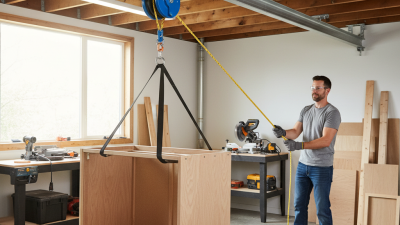
Choosing the right Lifting Pulley in 2026 requires more than comparing prices or advertised load ratings. Buyers must match the pulley to the rope, lifting angle, working load, and operating environment. A compact workshop hoist may need a fixed pulley with low rolling resistance. A construction site may require a snatch block that opens for faster rope installation.
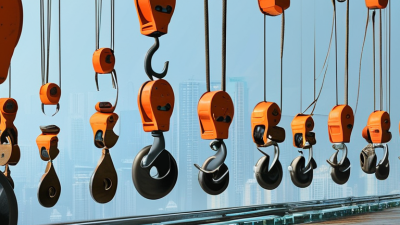
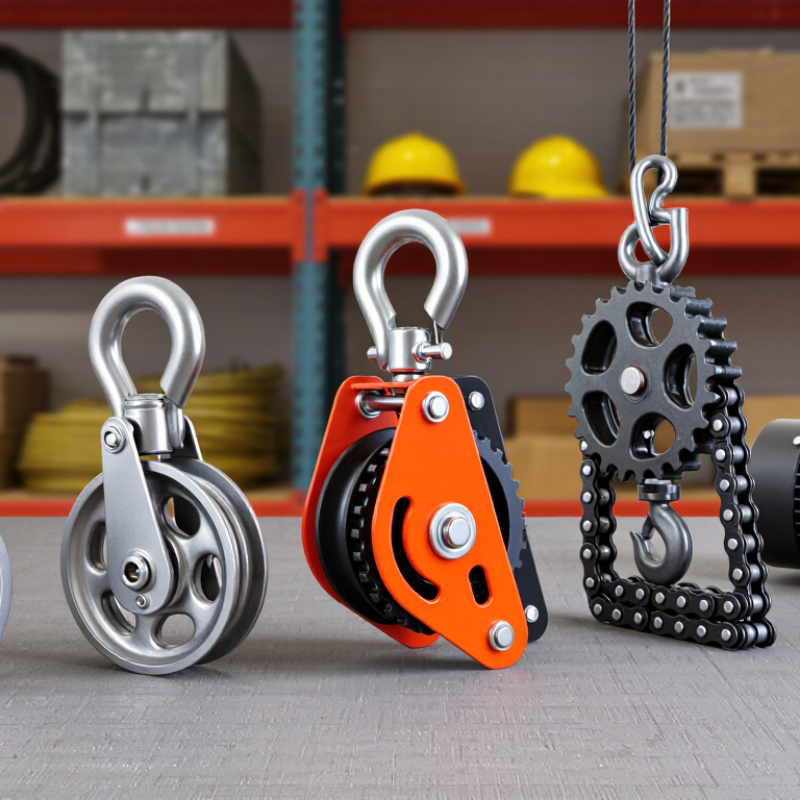
The leading options include fixed pulleys, swivel pulleys, snatch blocks, chain pulley blocks, and powered lifting systems. Each type solves a different handling problem. Swivel designs can follow changing rope directions. Snatch blocks can reduce setup time. Chain pulley blocks remain practical where electricity is unavailable. Powered units may improve productivity, but they demand stricter inspection and trained operation.
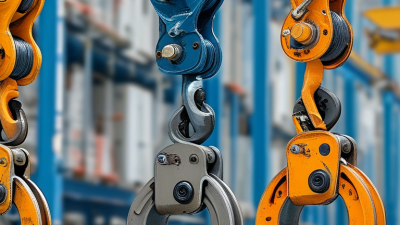
Small details matter. Check the sheave groove, side-plate strength, hook latch, bearing quality, and visible identification markings. Confirm the working load limit from genuine technical documents. Do not treat breaking strength as a safe lifting capacity. That mistake can be costly.
Look for proof.
This guide compares the 2026 top lifting pulley types through practical buying criteria, not marketing language. It considers durability, maintenance, portability, safety features, and total ownership cost. Real job conditions can be untidy, and no single pulley suits every buyer. Even experienced users may overlook rope wear or poor alignment. Therefore, product selection should include a site assessment, manufacturer guidance, and a documented inspection routine. When specifications appear unclear, pause before purchasing. A cheaper pulley is not necessarily the better value. Reliability deserves attention.
What Lifting Pulleys Are and How They Work
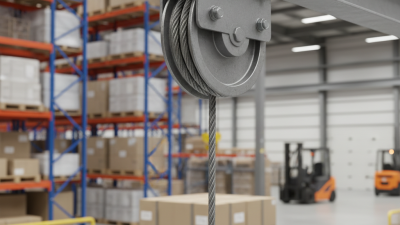
A lifting pulley uses a grooved wheel, an axle, and a supporting frame to move loads with less effort. The rope travels around the wheel, while the sheave changes force direction or shares the load. A fixed pulley mainly changes direction. A movable pulley can reduce the force needed to lift an object. Block-and-tackle systems combine several sheaves for greater mechanical advantage.
The number of supporting rope sections matters. More sections usually mean lower pulling force, but the operator must pull more rope. Friction, rope bending, and poor alignment reduce real performance. Buyers should check the rated working load, sheave diameter, rope compatibility, and frame condition. In practical inspections, sharp grooves and stiff bearings often reveal trouble early. Do not rely only on a high capacity label. Actual setup matters.
Tips: Match the pulley to the rope, not just the load. Keep the rope centered in the groove. Inspect pins, hooks, guards, and fasteners before use. Test movement without a suspended load first. A small tilt can create uneven wear. I would also record inspections, even when the pulley looks fine. That habit seems excessive, but missed wear can develop quietly. Choose a fixed type for simple direction changes, a movable type for moderate assistance, and a block-and-tackle design when controlled lifting and higher mechanical advantage are needed. Always follow the manufacturer’s instructions and applicable workplace safety requirements.
Which Lifting Pulley Types Are Leading the 2026 Market
Which Lifting Pulley Types Are Leading the 2026 Market
The 2026 market is favoring wire-rope blocks, snatch blocks, and fixed sheave pulleys. These designs support construction, ports, warehouses, and industrial maintenance. Grand View Research reports that the global material handling equipment market could grow at about 5.4% annually from 2024 to 2030. That wider expansion is increasing demand for compact, serviceable lifting components.
Snatch blocks remain practical for field lifting. Their side-opening plates allow faster rope installation and repositioning. Swivel blocks are gaining attention where loads change direction frequently. Fixed and double sheave pulleys still lead routine lifting because they offer simple layouts and predictable maintenance. Fortune Business Insights projects continued growth in the global crane market through 2032, with a compound annual growth rate near 5%. Crane modernization directly supports demand for stronger pulley assemblies.
Electric wire-rope hoist pulley systems are also becoming more common in controlled workplaces. Buyers increasingly check rated load, rope diameter, bearing protection, hook safety, and inspection access. ISO 4309 recommends structured wire-rope inspection and discard criteria, which affects pulley selection. The picture is not perfectly clean. Market reports often combine pulleys with cranes, hoists, or broader lifting equipment. Therefore, type-specific rankings should be treated carefully. A low-cost pulley may look attractive, yet poor alignment can increase rope wear, noise, and downtime. In practical purchasing, verified load data matters more than a polished catalog image.
How to Choose the Right Lifting Pulley for Each Application
Choosing the right lifting pulley starts with the load, not the price. A wire-rope sheave suits cranes and repeated industrial lifting. A snatch block works better when ropes must be installed quickly. Chain pulley blocks fit manual lifting where power is unavailable. For lighter, controlled movement, a compact lever hoist may be more practical than a large pulley system.
Check the working load limit, rope diameter, sheave groove, lift height, and reeving angle. The pulley must match the rope; a poor groove can accelerate wear and crushing. Dynamic loads also matter. According to the U.S. Bureau of Labor Statistics, transportation and material-moving occupations recorded 1,069 fatal work injuries in 2023. That figure does not prove pulley failure caused them, but it shows why load control and inspection deserve attention.
Environment changes the selection. Galvanized or sealed components suit damp sites, while high-temperature areas require heat-rated materials and suitable lubrication. For frequent cycles, choose bearings designed for continuous duty. For occasional lifting, a simpler design may reduce maintenance. The International Labour Organization reported about 2.93 million work-related deaths globally in 2019, including occupational accidents and diseases. The data is broad, yet it reinforces a practical lesson: equipment choice cannot replace training, inspection, and competent supervision. Measure twice. A common mistake is trusting the maximum rating without checking side loading, shock loading, or worn connection points. These details often decide whether the selected pulley performs safely in real conditions.
What Are the 2026 Top Lifting Pulley Types for Buyers?
Typical working load limit ranges by lifting pulley type
Wire-rope overhaul blocks and multi-sheave blocks generally support higher working load limits, while swivel pulleys and compact snatch blocks are better suited to lighter or more mobile lifting tasks. These ranges are indicative industry-use values; buyers should confirm the rated working load limit, rope or chain compatibility, safety factor, inspection requirements, and application conditions before selection.



 +86-19862000127
 Phone
Phone Email
Email